

Building a Scalable MERN Stack App with Role-Based Auth
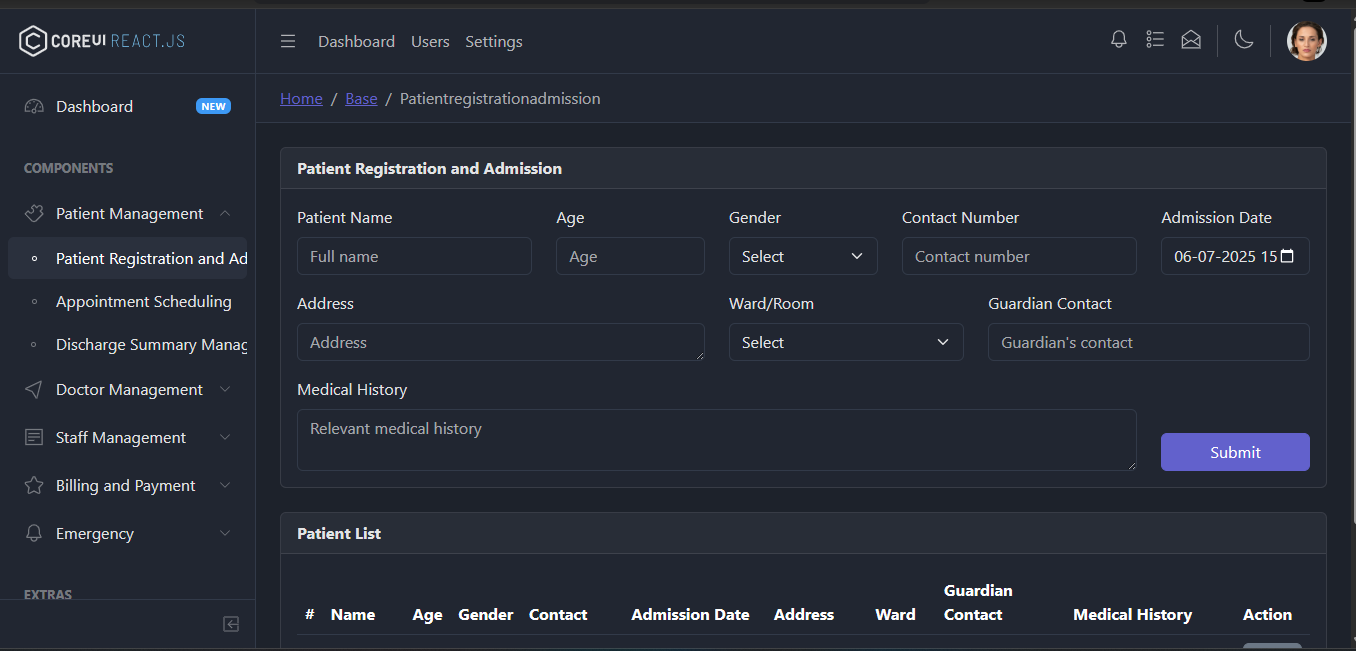
When you move a MERN app from a side-project to something real users depend on, the things that matter change. Suddenly it's not about getting a feature to work once — it's about structure, security, and being able to add the next feature without breaking the last one. Here's the approach I use on production MERN projects.
1. Start With a Clean Folder Architecture
Separate concerns from day one — routes, controllers, services, and models each get their own layer. Controllers stay thin and only handle the request/response; the real logic lives in service functions that are easy to test and reuse.
2. Token Auth & Role Management
Use JWTs for stateless auth, and attach a role to each user. A small middleware checks the token on protected routes and a second one checks the role — so an admin route simply chains both. This keeps permissions explicit and centralized instead of scattered across the codebase.
- JWT access + refresh token flow
- Role-based middleware (admin / staff / user)
- Protected routes on both API and UI
3. Keep the Frontend Predictable
On the React side, a central API layer and a single auth context mean every component reads the user's state the same way. Route guards redirect unauthorized users before a protected page ever renders.
Wrapping Up
None of this is exotic — it's just discipline applied early. Get the architecture, auth, and role model right at the start, and the app stays a pleasure to extend months later. Want to talk through your own build?